
Understanding Global Bitcoin Regulations and Bans
The global crypto regulation depicts the ongoing struggle between innovation and regulation in the digital age. Is Bitcoin legal in every country? The answer is simple: No. From Japan’s early embrace of cryptocurrencies to the outright bans in Bolivia and Morocco, the crypto regulation journey reflects defiance, adaptability, and uncertainty.
Understand the Landscape of Crypto Regulation
Staying informed about the diverse regulatory landscape governing cryptocurrencies is crucial for individuals and businesses operating in the Bitcoin space. Regulations vary widely across jurisdictions, ranging from permissive frameworks fostering investment and innovation to stricter measures targeting issues like money laundering and fraud.
Key regulatory areas include licensing requirements for exchanges, transaction taxes, and efforts to combat illegal activities. Additionally, regulatory bodies are grappling with defining the legal status of cryptocurrencies, protecting consumers, and ensuring financial stability.
Why Some Countries Ban Cryptocurrency?
Some countries outlaw cryptocurrencies due to concerns over economic instability, regulatory challenges, and criminal activities. These countries with digital currency, operating outside traditional banking systems, pose threats to financial stability and can challenge national monetary policies.
Governments implement bans to address issues like tax evasion, money laundering, and terrorist financing, compounded by the decentralized nature of cryptocurrencies, which hampers regulatory oversight and consumer protection. Is cryptocurrency legal in your country? Check out the relevant official websites to find out the principles of crypto regulation in your country.
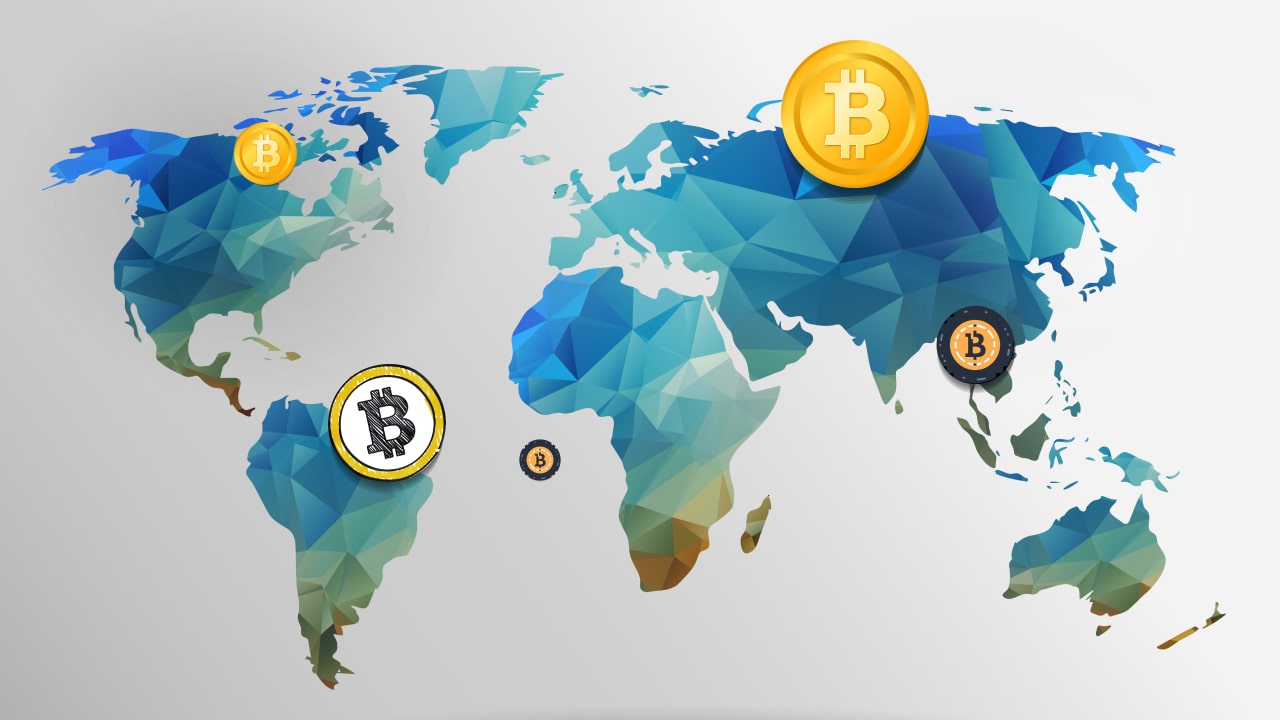
Countries Where Bitcoin Is Prohibited
To traverse the global legal environment and guarantee compliance with local regulations, investors and consumers must be aware of the nations where Bitcoin gambling is outlawed.
Description
Countries banning crypto gambling, including Bitcoin, enforce strict laws or regulations prohibiting its use, ownership, or exchange within their borders, citing concerns and potentially illegal activities.
Countries
- Algeria: Bitcoin is banned in Algeria due to concerns about its impact on financial stability and the national currency, with strict penalties for involvement in Bitcoin-related activities.
- Bolivia: Bolivia imposes stringent regulations banning Bitcoin to prevent currency devaluation and combat illicit activities like tax evasion and money laundering, leading to legal repercussions for individuals and businesses.
- Bangladesh: Bangladesh prohibits cryptocurrencies like Bitcoin, considering them illegal currency and issuing advisories against their use, as part of broader efforts to control the financial system and mitigate risks like money laundering and terrorism financing.
- Dominican Republic: Bitcoin is banned in the Dominican Republic to reduce risks linked to its potential for illegal activities with individuals and businesses facing legal consequences for involvement in Bitcoin-related activities
- Ghana: Ghana has imposed regulations prohibiting the use, ownership, and exchange of Bitcoin within the country to address concerns about its potential misuse for illegal activities like money laundering and terrorism financing.
- Nepal: Nepal has implemented restrictions banning the use, ownership, and exchange of Bitcoin due to concerns about its potential involvement in illegal activities like money laundering and terrorism financing.
- The Republic Of Macedonia: The Republic of Macedonia has passed laws outlawing Bitcoin to address concerns about its potential use in illegal activities like money laundering and terrorism financing.
- Qatar: Qatar has implemented laws prohibiting the use, ownership, and exchange of Bitcoin to mitigate risks associated with its potential involvement in illegal activities like money laundering and terrorism financing. People in Qatar face legal repercussions for engaging in any Bitcoin-related activity.
- Vanuatu: Vanuatu has passed laws making it illegal to use, possess, or trade Bitcoin within the country due to concerns about its potential involvement in illegal activities like money laundering and terrorism financing.
Countries Where Usage Of Bitcoin Is Legally Limited
The usage of Bitcoin is legally limited in particular countries due to regulatory restrictions.
Description
Due to certain legislative limitations, the use of Bitcoin is lawfully restricted in Bahrain, China, Hong Kong, Iran, Kazakhstan, Russia, Saudi Arabia, Turkey, and Vietnam.
Countries
- Bahrain: Bahrain follows stringent regulatory frameworks and places legislative restrictions on the use of Bitcoin.
- China: China has strict rules and frequent crackdowns on cryptocurrency activity to legally limit the use of Bitcoin.
- Hong Kong: The use of Bitcoin in Hong Kong is governed by laws and government control.
- Iran: Iran restricts the use of Bitcoin legally because of worries about how it would affect the value of the country’s currency and financial stability.
- Kazakhstan: Kazakhstan has put legislative limitations on the use of Bitcoin along with government monitoring and sporadic market interventions.
- Russia: Russia has put legislative restrictions on the use of Bitcoin in place to regulate the exchange of digital assets.
- Saudi Arabia: Saudi Arabia complies with financial legislation and regulatory frameworks by limiting the use of Bitcoin within its borders.
- Turkey: Legal restrictions on the use of Bitcoin are in place in Turkey, along with governmental monitoring and sporadic market interventions.
- Vietnam: Vietnam’s regulatory bodies have put laws in place to oversee the use of digital assets, including Bitcoin.
Countries Where Bitcoin Is Permitted
For investors and users to successfully navigate legal systems and take advantage of possibilities inside compliant jurisdictions, they must have a thorough understanding of the nations where Bitcoin is permitted.
Description
Countries legalizing Bitcoin have established frameworks permitting the possession, use, and exchange of the cryptocurrency, fostering investment and economic growth.
These countries prioritize customer protection and reduce risks associated with fraud and money laundering, promoting financial inclusion and technological innovation within their jurisdictions.
Countries
- Antigua And Barbuda: To protect consumers and maintain financial stability, Antigua and Barbuda have legalized the use and exchange of Bitcoin.
- Australia: Australia has put legislation in place that permits the legitimate use and trading of Bitcoin, and cryptocurrency exchanges are expected to abide by laws against money laundering and the funding of terrorism.
- Barbados: Barbados allows the usage and exchange of Bitcoin, encouraging investment and innovation in the space to support economic expansion.
- Belgium: Belgium has established regulatory frameworks to oversee cryptocurrency enterprises and safeguard customers from fraudulent activity, therefore permitting the lawful usage and exchange of Bitcoin.
- Bulgaria: To maintain accountability and transparency, Bulgaria allows the usage and exchange of Bitcoin while imposing taxation and financial regulatory regulations on cryptocurrency transactions.
- Cayman Islands: The Cayman Islands have clear legislative frameworks that facilitate the legal usage and exchange of Bitcoin.
- Chile: With regulatory control aimed at avoiding financial crimes and shielding consumers from possible hazards linked with cryptocurrencies, Chile permits the lawful use and exchange of Bitcoin.
- Croatia: Under regulatory supervision and with safeguards in place to mitigate risks like fraud and money laundering in the cryptocurrency market, Croatia allows the use and exchange of Bitcoin.
- Dominica: With laws in place to protect consumer interests while fostering investment and innovation in the cryptocurrency space, Dominica permits the lawful use and exchange of Bitcoin.
- Estonia: Estonia allows the legitimate usage and exchange of Bitcoin while imposing licensing requirements and anti-money laundering laws on cryptocurrency enterprises.
- Finland: Finland has established legislative structures to guarantee accountability and transparency in cryptocurrency transactions, while still permitting the lawful usage and exchange of Bitcoin.
- Germany: Under particular regulatory supervision, Germany allows the use and exchange of Bitcoin. Transactions involving cryptocurrencies are subject to taxes and financial regulatory rules for the protection of consumers.
- Indonesia: With regulatory frameworks in place to oversee cryptocurrency enterprises and safeguard consumers from any threats, Indonesia allows the lawful use and exchange of Bitcoin.
- Italy: To ensure compliance and consumer protection, Italy permits the lawful use and exchange of Bitcoin.
- Ireland: Ireland has established legal frameworks to oversee cryptocurrency enterprises and safeguard consumers from fraudulent activity, while also allowing the usage and exchange of Bitcoin.
- Japan: As a means of protecting consumers, Japan has created laws that permit the lawful use and exchange of Bitcoin. These laws recognize Bitcoin as a valid method of payment and impose licensing requirements on cryptocurrency exchanges.
- Malta: Malta’s well-defined legislative regulations encourage innovation and investment in the cryptocurrency sector while allowing the lawful usage and exchange of Bitcoin.
- Mauritius: To safeguard consumers and maintain financial stability, Mauritius permits the lawful use and exchange of Bitcoin.
- Marshall Islands: The Marshall Islands have established legislative frameworks that facilitate the legal usage and exchange of Bitcoin, hence creating a favorable climate for investors and cryptocurrency firms.
- New Zealand: With regulatory control aimed at avoiding financial crimes and shielding consumers from possible hazards linked with cryptocurrencies, New Zealand permits the lawful use and exchange of Bitcoin.
- Norway: Under governmental supervision, Norway allows the usage and exchange of Bitcoin, encouraging investment and innovation in the cryptocurrency space to support economic expansion.
- The Philippines: Bitcoin is lawfully used and exchanged in the Philippines, where its transactions are regulated to maintain accountability and transparency.
- Serbia: With legal structures in place to oversee cryptocurrency enterprises and shield customers from dishonest practices, Serbia allows the use and exchange of Bitcoin.
- South Korea: To defend citizens and avoid financial crimes, South Korea permits the lawful use and exchange of Bitcoin.
- Sweden: Under certain regulatory supervision and with safeguards in place to mitigate risks like fraud and money laundering in the cryptocurrency market, Sweden allows the use and exchange of Bitcoin.
- Switzerland: Switzerland recognizes Bitcoin as a valid method of payment and imposes licensing requirements on cryptocurrency exchanges.
- Ukraine: Ukraine’s well-defined legislative frameworks encourage innovation and investment in the cryptocurrency business while allowing the lawful usage and exchange of Bitcoin.
- The United Kingdom: With regulatory control aimed at avoiding financial crimes, the United Kingdom permits the lawful use and exchange of Bitcoin.
- The United Arab Emirates: The usage and trading of Bitcoin are legal in the United Arab Emirates, however, transactions using cryptocurrencies are regulated to maintain accountability and transparency.
- The United States: The United States has established regulatory frameworks to oversee cryptocurrency enterprises and safeguard customers from fraudulent activity, therefore permitting the lawful usage and exchange of Bitcoin.
- Uzbekistan: Under regulatory supervision, Uzbekistan allows the usage and exchange of Bitcoin, encouraging investment and innovation in the space to support economic expansion.
- Venezuela: To protect customers and avoid financial crimes, Venezuela permits the lawful use and exchange of Bitcoin.

Countries Where Bitcoin Is Recognized As Official Currency
In the world, there is only one country where Bitcoin is accepted as the official currency. The country is El Salvador.
El Salvador
The only nation where Bitcoin and the US dollar are accepted as official currencies is El Salvador.
Countries Where Bitcoin’s Legal Status Is Indeterminate
The legal status of Bitcoin is still unclear in certain countries since regulatory bodies are still attempting to classify the cryptocurrency and put in place suitable structures to control its trade and usage.
Description
Any person or company involved in the cryptocurrency field is left in a state of uncertainty by regulatory uncertainty that exists in countries where the legal status of Bitcoin remains unsettled. Investment and innovation are hampered by the absence of clear guidelines as interested parties wait for final decisions about the legal status of Bitcoin.
Countries
- Albania: The legal position of Bitcoin in Albania is still up in the air due to changing regulatory debates.
- Afghanistan: Regulatory bodies in Afghanistan have not yet decided whether Bitcoin is lawful.
- Angola: Angola struggles to establish the rules governing Bitcoin inside its borders.
- Anguilla: Regarding the legal status of Bitcoin, Anguilla is subject to regulatory uncertainty.
- Argentina: Argentina manages the regulatory ambiguity around the legitimacy of Bitcoin.
- Belize: Regulators need to clarify Belize’s legal position on Bitcoin.
- British Virgin Islands: Regarding Bitcoin’s legal standing in the British Virgin Islands, there is confusion.
- Brunei: The legal status of Bitcoin in Brunei is still up in the air awaiting regulatory rulings.
- Cambodia: Cambodia struggles to define, given its regulatory framework, what Bitcoin’s legal status is.
- Costa Rica: Legal authorities in Costa Rica are still working to clarify the country’s position on Bitcoin.
- Cuba: Cuba is battling unclear regulations about the legal status of Bitcoin.
- Guatemala: The position Guatemala will take on Bitcoin regulation is yet unknown.
- Haiti: Regarding Bitcoin’s legal standing in its jurisdiction, Haiti is in the dark.
- India: India is faced with regulatory uncertainty over the legal status of Bitcoin.
- Honduras: Regulatory authorities need to provide clarification on Honduras’ legal stance on Bitcoin.
- Kenya: Kenya’s regulatory position on Bitcoin is still up in the air pending more information.
- Jamaica: Jamaica is struggling with regulatory ambiguity about the legal status of Bitcoin.
- Latvia: The legal position of Latvia regarding Bitcoin is still up in the air due to changing regulatory debates.
- Lesotho: Regarding Bitcoin’s legal standing in Lesotho, there is confusion.
- Macau: Macau has to deal with regulatory uncertainty over the legal status of Bitcoin.
- Malaysia: Regulating organizations need to provide more information about Malaysia’s legal position regarding Bitcoin.
- Mexico: Mexico is having difficulty figuring out how to regulate Bitcoin within its borders.
- Moldova: Moldova faces ambiguity about the legality use Bitcoin inside its borders.
- Montenegro: Concerning the legal status of Bitcoin, Montenegro is faced with regulatory uncertainty.
- Pakistan: Pakistan’s legal position on Bitcoin is still up in the air amid changing regulatory debates.
- Tajikistan: Tajikistan is having difficulty figuring out what the laws governing Bitcoin are in its territory.
- Tanzania: Tanzania faces ambiguity on the legality use Bitcoin inside its borders.
- Samoa: Regarding Bitcoin’s legal status, Samoa is confronted with regulatory uncertainty.
FAQs
How do regulations vary for Bitcoin across different countries?
Regulations for Bitcoin vary significantly across different countries, ranging from outright bans to permissive frameworks with regulatory oversight.
Can changes in the legal status of Bitcoin affect its market value?
Changes in the legal status of Bitcoin can significantly affect its market value due to shifts in investor sentiment and regulatory uncertainty.
What are the reasons behind some countries banning Bitcoin?
Some countries ban Bitcoin due to concerns about its potential impact on financial stability, national currency devaluation, money laundering, and tax evasion.
How can I find out if Bitcoin is legal in my country?
To find out if Bitcoin is legal in your country, consult government websites, regulatory authorities, or legal experts specializing in cryptocurrency laws.